Our classical concerts in Berlin in February 2027
Treat yourself to something very special in February and attend one of the classical concerts performed by our four excellent ensembles in Berlin. You deserve the pleasures of a classical concert – especially when it's dark and rainy or even snowy outside.
Our concert highlights in February 2027


Our concert locations
-
Philharmonie Berlin
One of Berlin's most important concert halls
Herbert-von-Karajan-Straße 1 10785 Berlin Deutschland -
Haus des Rundfunks
The best address in Berlin for radio and concerts
Masurenallee 8-14 14057 Berlin Deutschland -
Konzerthaus Berlin
A monument to Karl Friedrich Schinkel's architecture

Our newest CD releases
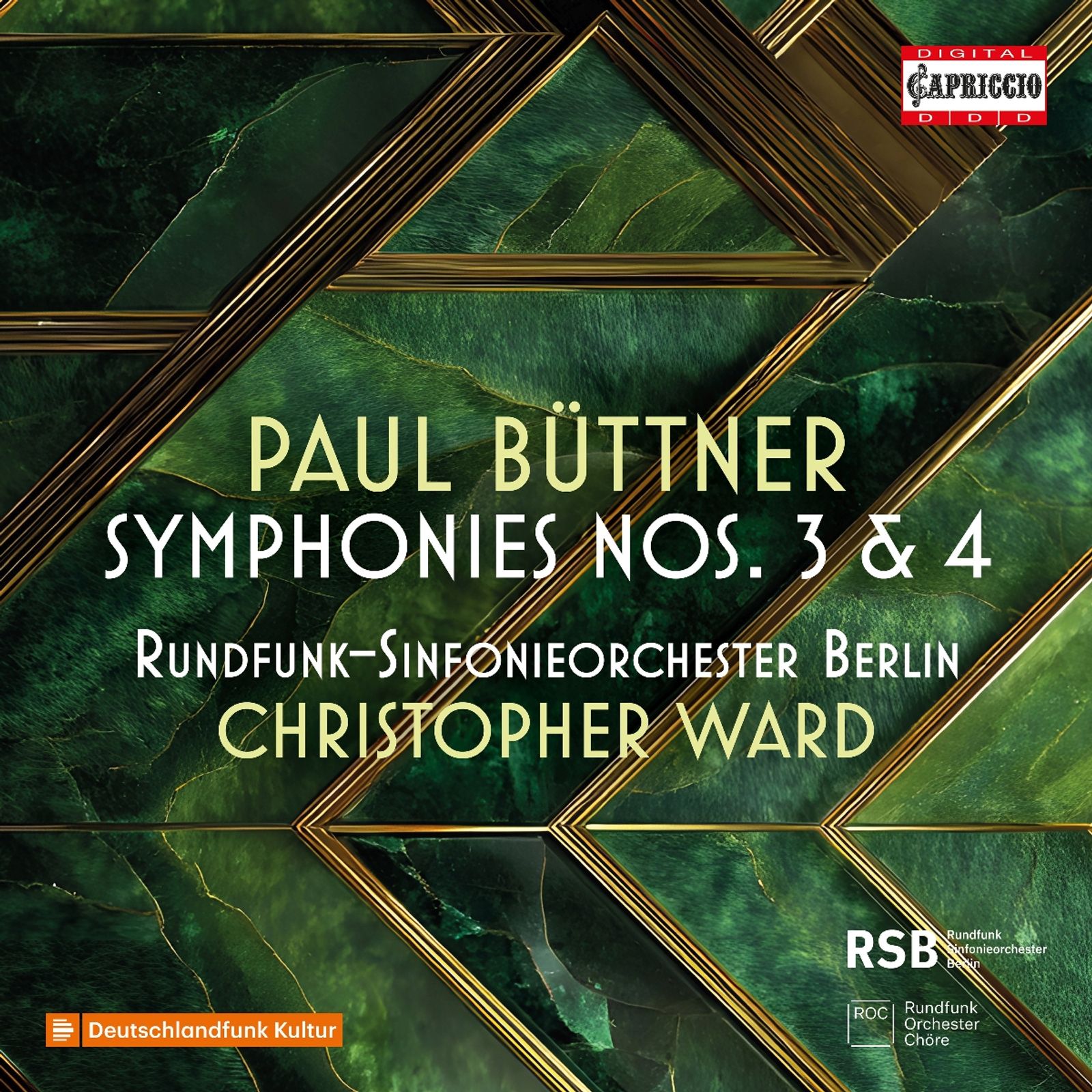
Paul Büttner: Symphonien Nr.3 & 4
Christopher Ward, Dirigent
Rundfunk-Sinfonieorchester Berlin
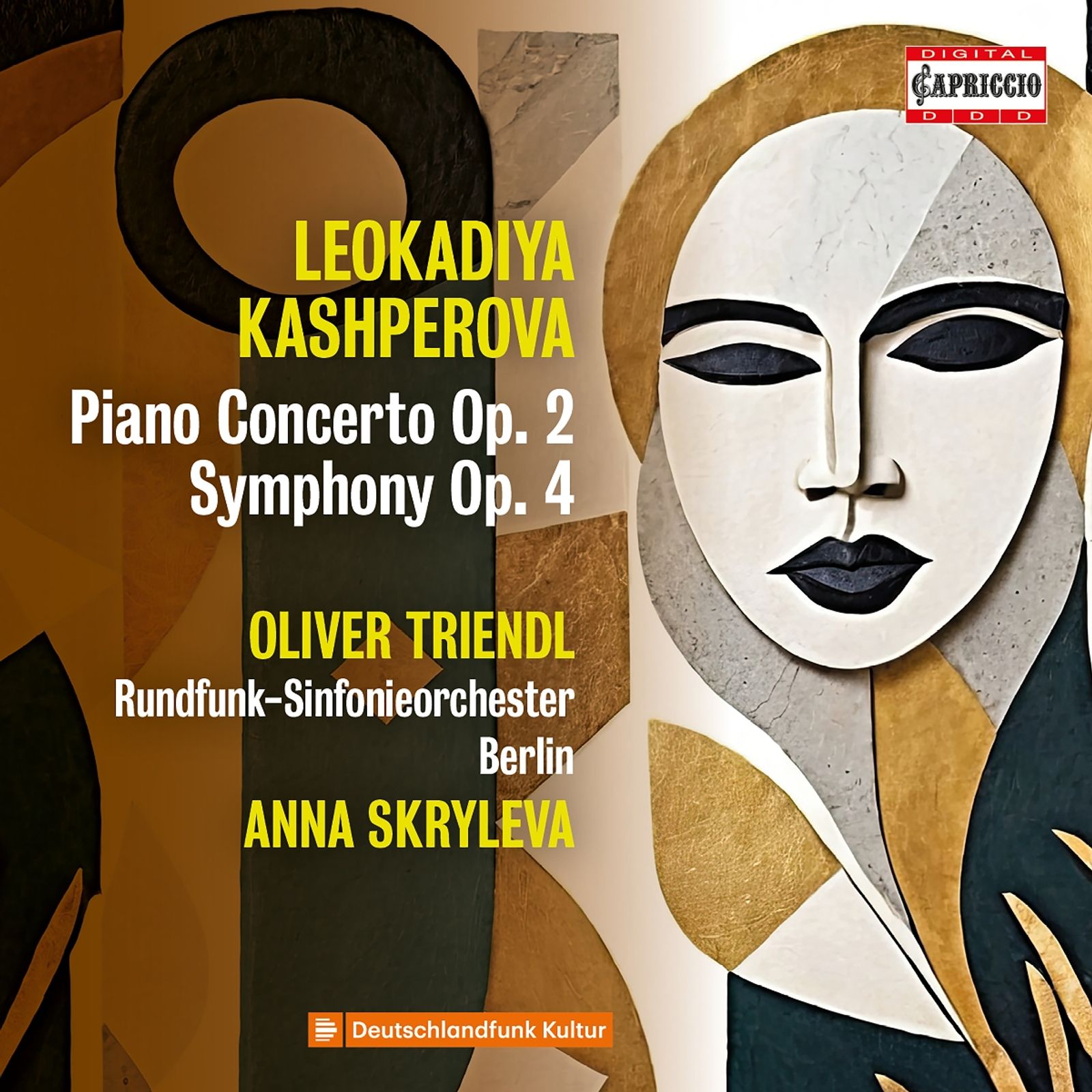
Leokadiya Kashperova: Symphonie op.4 h-moll
Oliver Triendl, Klavier
Anna Skryleva, Dirigentin
Rundfunk-Sinfonieorchester Berlin

Hans Werner Henze Edition: Sinfonia
Marek Janowski, Dirigent
Michael Gläser, Choreinstudierung
Rundfunk-Sinfonieorchester Berlin
Rundfunkchor Berlin

THE FIRST OF EVERYTHING
Eunike Tanzil, Komponistin und Piano
Max Knoth, Komponist
Sophie Kauer, Cello
Anna Handler, Dirigentin
Deutsches Symphonie-Orchester Berlin

Joseph Haydn – „Die sieben letzten Worte unseres Erlösers am Kreuze“
Kateryna Kasper, Sopran
Katie Bray, Mezzosopran
Robert Murray, Tenor
Hanno Müller-Brachmann, Bariton
RIAS Kammerchor
Konzerthausorchester Berlin
Justin Doyle, DIrigent

ENGELBERT HUMPERDINCK: The Miracle (1911)
Sophie Klussmann, Sopran
Josette Micheler, Alt
Rundfunkchor Berlin
Kinderchor des Georg-Friedrich-Händel-Gymnasiums Berlin
Rundfunk-Sinfonieorchester Berlin
Steffen Tast

Signore! Signori! Scusatemi
Anthony Clark Evans, Bariton
Carlo Montanaro, Dirigent
Rundfunk-Sinfonieorchester Berlin

Felix Mendelssohn Bartholdy: Ein Sommernachtstraum
Max Urlacher, Sprecher
Mi-Young Kim, Sopran
Anna Erdmann, Mezzosopran
RIAS Kammerchor
Freiburger Barockorchester
Pablo Heras-Casado, Dirigent

Fanny & Felix Mendelssohn: Sacred Music, Vol. 1
Christina Landshamer, Sopran
Martin Mitterrutzner, Tenor
Justin Doyle, Dirigent
Kammerakademie Potsdam
RIAS Kammerchor

Stella Maris
RIAS Kammerchor
Justin Doyle, Dirigent

Emil von Sauer / Conrad Ansorge – Piano Concertos
Oliver Triendl, Piano
Roland Kluttig, Dirigent
Rundfunk-Sinfonieorchester Berlin

Paganini: 24 Caprices
María Dueñas, Violine
Raphaël Feuillâtre, Gitarre
Itamar Golan, Piano
Boris Kuschnir, Violine
Deutsches Symphonie-Orchester Berlin
Mihhail Gerts, Dirigent

Parisienne
Eloïse Bella Kohn, Piano
Christoph Koncz, Violine
Rundfunk-Sinfonieorchester Berlin

Schostakowitsch: Film Musik-Edition
Leonid Grin
James Judd
Deutsches Symphonie-Orchester Berlin
Rundfunk-Sinfonieorchester Berlin
Michail Jurowski, Dirigent

J.S. Bach: Weihnachts-Magnificat – G.F. Händel: Utrecht Te Deum
Justin Doyle, Dirigent
Akademie für Alte Musik Berlin
RIAS Kammerchor Berlin

Schnittke: Film Music, Vol. 6
Elisaveta Blumina, Piano
Martha Jurowski, Sopran
Vladimir Jurowski, Dirigent
Svetlana Mamresheva, Sopran
Maxim Suchanow
Rundfunk-Sinfonieorchester Berlin

Anton Bruckner Sinfonie Nr. 7
Rundfunk-Sinfonieorchester Berlin, Orchester
Vladimir Jurowski, Dirigent

Georg Friedrich Händel: Dixit Dominus
Carolyn Sampson, Sopran
Johanna Winkel, Sopran
Viktoria Wilson, Sopran
Alex Potter, Countertenor
Hugo Hymas, Tenor
Andreas Wolf, Bassbariton
RIAS Kammerchor Berlin
Akademie für Alte Musik Berlin
Justin Doyle, Dirigent

Turkish Flavours – 100 Years of Turkish Symphonic Music
Deutsches Symphonie-Orchester Berlin
Howard Griffiths, Dirigent

Konzert für Klavier und Orchester, op. 4
Oliver Triendl, Klavier
Konstanze von Gutzeit, Cello
Rundfunk-Sinfonieorchester Berlin
Christiane Silber, Dirigentin

Walter Kaufmann: Symphonie Nr.3
Elisaveta Blumina, Piano
David Robert Coleman, Dirigent
Rundfunk-Sinfonieorchester Berlin

Boulanger, Fauré, Hahn
William Youn, Piano
Valentin Uryupin, Dirigent
Rundfunk-Sinfonieorchester Berlin

Franck & Chausson
Jean-Luc Tingaud, Dirigent
Rundfunk-Sinfonieorchester Berlin

Ecoles de Paris – Paris pour Ecole
Adele Bitter, Violoncello
Holger Groschopp, Klavier
Mitglieder des Deutschen Symphonie-Orchesters Berlin
Johannes Zurl, Dirigent
On the radio
Our next radio dates:
Deutsches Symphonie-Orchester Berlin
Klassik am Morgen, Sunday, 8.11.2026, 6.00 Uhr

Deutsches Symphonie-Orchester Berlin
radio3 Konzert, Sunday, 8.11.2026, 20.00 Uhr
Deutsches Symphonie-Orchester Berlin
Klassik Forum, Thursday, 12.11.2026, 9.05 Uhr

Rundfunk-Sinfonieorchester Berlin
Konzert, Thursday, 12.11.2026, 20.00 Uhr

Rundfunk-Sinfonieorchester Berlin
Klassik Forum, Friday, 13.11.2026, 9.05 Uhr
Deutsches Symphonie-Orchester Berlin
Die besondere Aufnahme, Saturday, 14.11.2026, 21.30 Uhr
Deutsches Symphonie-Orchester Berlin
radio3 Konzert, Sunday, 15.11.2026, 20.00 Uhr
Deutsches Symphonie-Orchester Berlin
Musik am Morgen, Sunday, 15.11.2026, 6.04 Uhr

Rundfunk-Sinfonieorchester Berlin
Der Vormittag, Wednesday, 18.11.2026, 10.05 Uhr

Deutsches Symphonie-Orchester Berlin
Klassik-Stars, Wednesday, 18.11.2026, 18.03 Uhr
The next classical concerts of our ROC ensembles in February 2027 in Berlin
The ROC's classical concerts in Berlin in February 2027
Resist the dreariness of February in Berlin with a classical concert by one of our four top ensembles. The music our ensembles will perform for you will make you forget strong winds, cold and snow. You can give yourself over to a pleasant evening without any interference in one of our impressive concert locations in Berlin – such as the Konzerthaus Berlin or the Philharmonie Berlin!
Frequently asked questions
At the “Moderated Rehearsal,” you won’t experience a traditional concert performance, but rather a guided orchestral rehearsal of the Rundfunk-Sinfonieorchester Berlin with Principal Conductor Vladimir Jurowski, featuring works by Tchaikovsky, at the Haus des Rundfunks. Registration and ticket purchases for this event are not handled through the usual ROC ticket shop, but exclusively through website of the Rundfunk Sinfonieorchester Berlin at rsb-online.de.
The program is the winning entry from an ideas competition marking the 100th anniversary of the Rundfunkchor Berlin and consists exclusively of music by queer composers. In addition to the Rundfunkchor, the ensembles canta:re, Classical Lesbians, and amaryllis_berlin will perform, and Alfonso Pantisano, Berlin’s first Queer Liaison, will deliver a speech—at the Haus des Rundfunks, the choir’s home base, the evening is intended as a deliberate statement in support of queer music in a traditional setting.
The chamber opera tells the story of a Jewish couple who were separated by the Nazis. It is part of the “We're Not Going Anywhere – Queer Resilience” program, bringing the historical persecution of queer and Jewish people to life through a classical concert evening.
Conductor Jeannette Sorrell weaves together Mozart’s unfinished Requiem—composed in 1791, the year of his death—with works by contemporary American composers (Geter, Gould, Montgomery) that explore themes of freedom, racism, tradition, and the culture of remembrance. This also marks Sorrell’s debut with the Deutsches Symphonie-Orchester Berlin and the Rundfunkchor Berlin, accompanied by soloists such as two-time Grammy winner J’Nai Bridges.
At “Schallbrücken” in the Zeiss Grand Planetarium, the recording of the January 26, 2027, concert featuring works by Zimmermann and Bruckner will be shown again against a projection of a starry sky—so no one will be performing live on site that evening. Anyone who wants to see the musicians of the Rundfunk-Sinfonieorchester Berlin in person will have to choose another date on the calendar.
Between Schumann’s Piano Concerto and Beethoven’s Fifth, puppeteer Nikolaus Habjan brings a theatrical element to the otherwise purely instrumental concert evening presented by the Deutsches Symphonie-Orchester Berlin with this piece. This stage element thus interrupts the traditional concert format, which is rather unusual for a subscription concert at the Philharmonie.
Tchaikovsky died just a few days after conducting the premiere of his Sixth Symphony, “Pathétique” – the exact circumstances of his death are still debated by historians today. Vladimir Jurowski and violinist Julia Fischer have deliberately paired the work with Sibelius’s Violin Concerto, another piece from the “Music of the Late Years,” in a performance by the Rundfunk-Sinfonieorchester Berlin.
Yes. On February 28, the Rundfunk-Sinfonieorchester Berlin will perform Tchaikovsky’s ballet music “Sleeping Beauty” at the Haus des Rundfunks—not as a ballet, but as a musical fairy tale with a narrator—unlike the children’s concerts at the KinderKünsteZentrum, this performance will take place in the regular large concert hall.
You can book tickets for most of the February concerts online via the concert calendar or directly at the visitor service office at Charlottenstraße 56 in Berlin-Mitte (opening hours: Monday through Friday, 9:00 a.m. to 6:00 p.m.). One exception is the guided rehearsal on February 1, 2027: Registration and ticket purchases for this event are handled exclusively through the Rundfunk-Sinfonieorchester’s website at rsb-online.de.
Yes. The ROC Visitor Service at Charlottenstraße 56 (2nd floor) in Berlin-Mitte is the joint ticket and service office for concerts by the Deutsches Symphonie-Orchester Berlin, the Rundfunk-Sinfonieorchester Berlin, the Rundfunkchor Berlin, and the RIAS Kammerchor Berlin.
In the concert calendar, we provide links to the seating charts for each venue. This allows you to select your seats with precision. If you book by phone, our team will be happy to advise you on views, acoustics, and seating categories.
Many classical concerts last about 90 to 120 minutes and include an intermission. Shorter concerts may take place without an intermission.
It is customary to applaud at the end of an entire piece. Between individual movements, the audience usually remains silent. If you’re unsure, just follow the lead of the other audience members.
Our venues offer coat check services as well as food and beverage options, such as concessions in the lobby. The specific options may vary depending on the event and are described on the websites of the respective venues.
Many concerts last about 90 to 120 minutes, including an intermission. The estimated duration is listed in the program information; special formats may differ.
Programs are usually available at the venue. Digital versions may be available, depending on the ensemble and concert—you can find the digital programs on the individual ensemble pages, if any are available.