Our classical concerts in Berlin in April 2027
April offers an abundance of musical highlights at Berlin's most impressive venues – our four top ensembles will perform classical concerts of sublime pieces for you that are bound to be unforgettable!
Our concert highlights in April 2027


Our concert locations
-
Philharmonie Berlin
One of Berlin's most important concert halls
Herbert-von-Karajan-Straße 1 10785 Berlin Deutschland -
Konzerthaus Berlin
A monument to Karl Friedrich Schinkel's architecture
Gendarmenmarkt 2 10117 Berlin Deutschland -
Heimathafen Neukölln
Ballroom for theatre and music
-
Radialsystem V
Former pumping station on the Spree
Holzmarktstraße 33 10243 Berlin -
Friedrichswerdersche Kirche
One of the earliest representative brick buildings since the Middle Ages
Werderscher Markt 12103 Berlin

Our newest CD releases
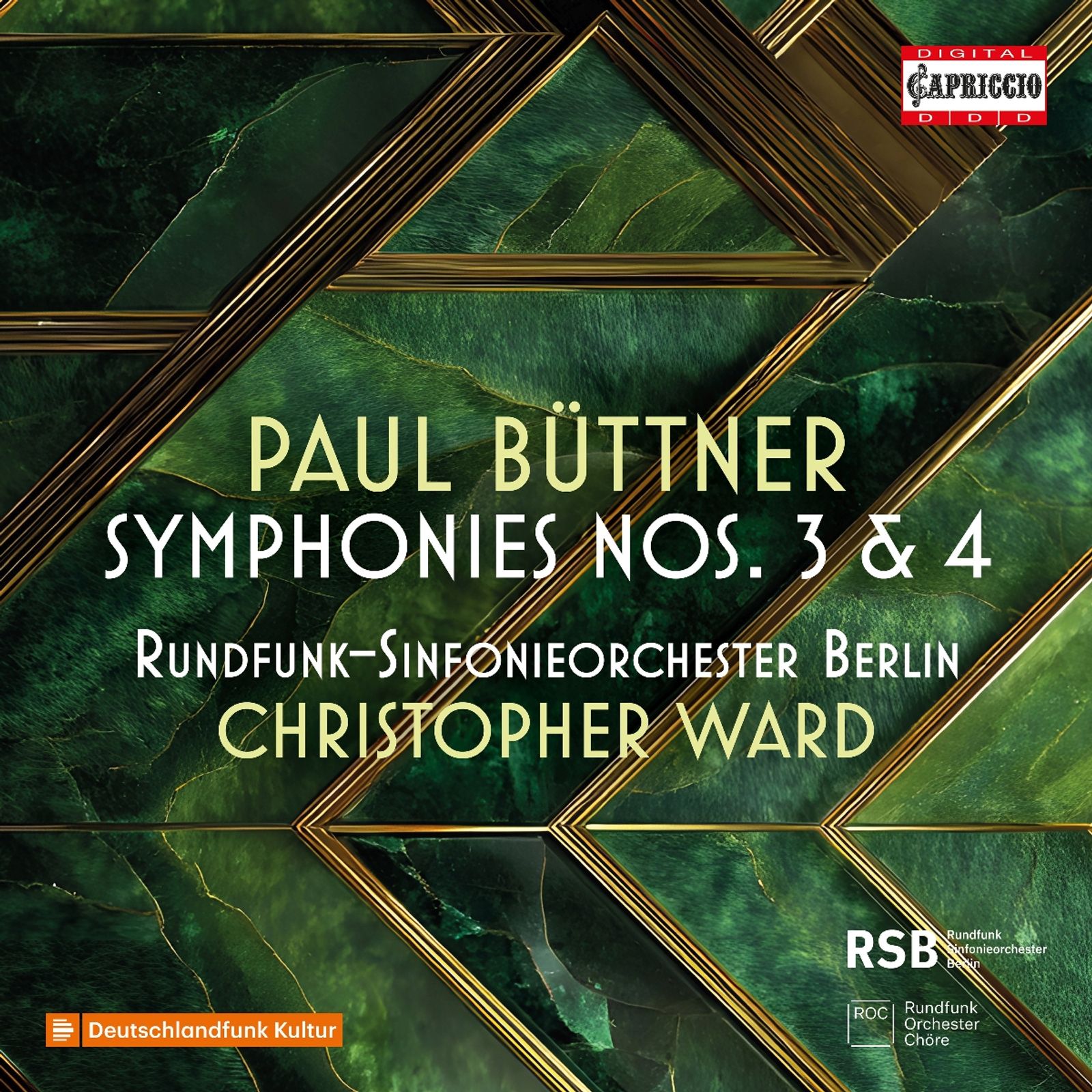
Paul Büttner: Symphonien Nr.3 & 4
Christopher Ward, Dirigent
Rundfunk-Sinfonieorchester Berlin
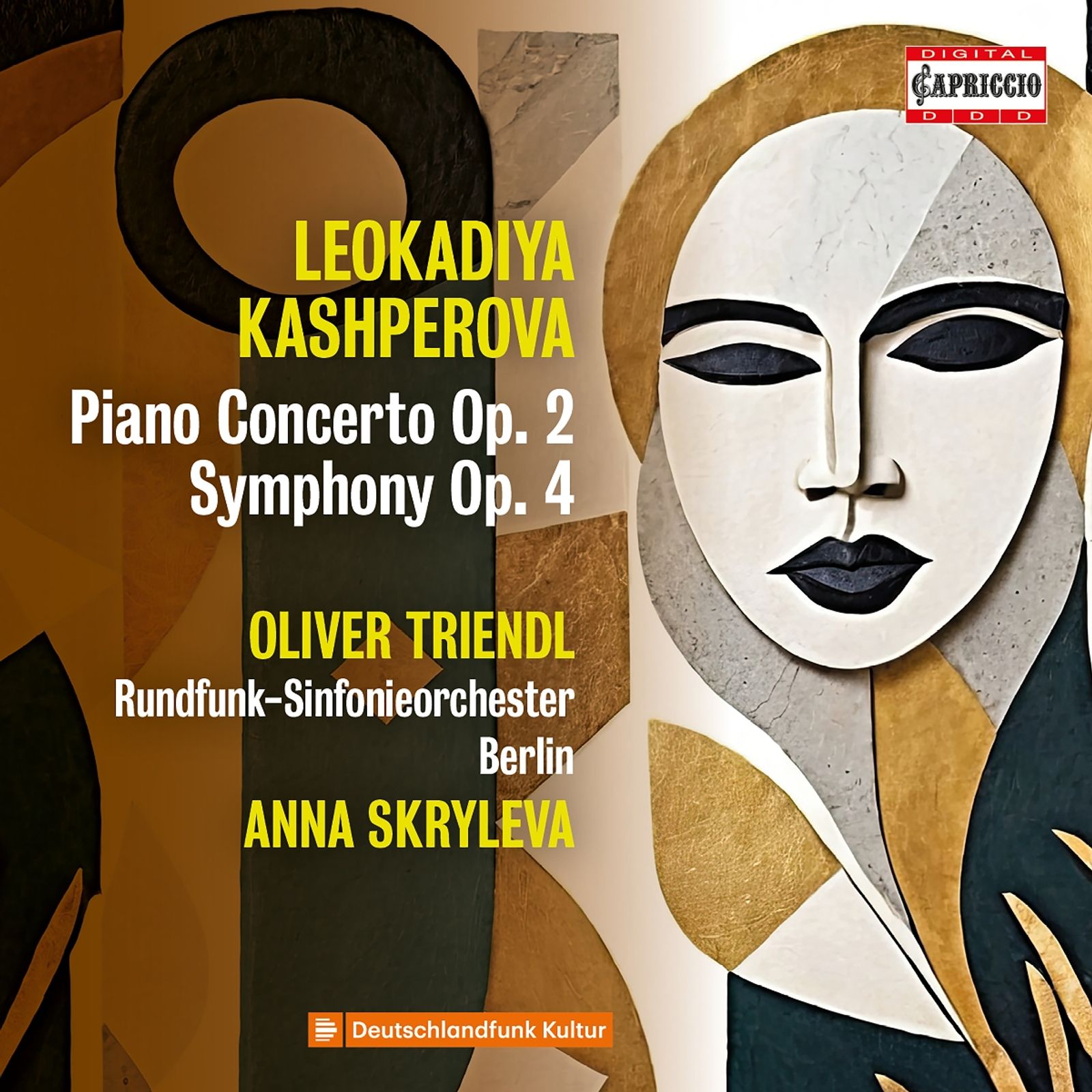
Leokadiya Kashperova: Symphonie op.4 h-moll
Oliver Triendl, Klavier
Anna Skryleva, Dirigentin
Rundfunk-Sinfonieorchester Berlin

Hans Werner Henze Edition: Sinfonia
Marek Janowski, Dirigent
Michael Gläser, Choreinstudierung
Rundfunk-Sinfonieorchester Berlin
Rundfunkchor Berlin

THE FIRST OF EVERYTHING
Eunike Tanzil, Komponistin und Piano
Max Knoth, Komponist
Sophie Kauer, Cello
Anna Handler, Dirigentin
Deutsches Symphonie-Orchester Berlin

Joseph Haydn – „Die sieben letzten Worte unseres Erlösers am Kreuze“
Kateryna Kasper, Sopran
Katie Bray, Mezzosopran
Robert Murray, Tenor
Hanno Müller-Brachmann, Bariton
RIAS Kammerchor
Konzerthausorchester Berlin
Justin Doyle, DIrigent

ENGELBERT HUMPERDINCK: The Miracle (1911)
Sophie Klussmann, Sopran
Josette Micheler, Alt
Rundfunkchor Berlin
Kinderchor des Georg-Friedrich-Händel-Gymnasiums Berlin
Rundfunk-Sinfonieorchester Berlin
Steffen Tast

Signore! Signori! Scusatemi
Anthony Clark Evans, Bariton
Carlo Montanaro, Dirigent
Rundfunk-Sinfonieorchester Berlin

Felix Mendelssohn Bartholdy: Ein Sommernachtstraum
Max Urlacher, Sprecher
Mi-Young Kim, Sopran
Anna Erdmann, Mezzosopran
RIAS Kammerchor
Freiburger Barockorchester
Pablo Heras-Casado, Dirigent

Fanny & Felix Mendelssohn: Sacred Music, Vol. 1
Christina Landshamer, Sopran
Martin Mitterrutzner, Tenor
Justin Doyle, Dirigent
Kammerakademie Potsdam
RIAS Kammerchor

Stella Maris
RIAS Kammerchor
Justin Doyle, Dirigent

Emil von Sauer / Conrad Ansorge – Piano Concertos
Oliver Triendl, Piano
Roland Kluttig, Dirigent
Rundfunk-Sinfonieorchester Berlin

Paganini: 24 Caprices
María Dueñas, Violine
Raphaël Feuillâtre, Gitarre
Itamar Golan, Piano
Boris Kuschnir, Violine
Deutsches Symphonie-Orchester Berlin
Mihhail Gerts, Dirigent

Parisienne
Eloïse Bella Kohn, Piano
Christoph Koncz, Violine
Rundfunk-Sinfonieorchester Berlin

Schostakowitsch: Film Musik-Edition
Leonid Grin
James Judd
Deutsches Symphonie-Orchester Berlin
Rundfunk-Sinfonieorchester Berlin
Michail Jurowski, Dirigent

J.S. Bach: Weihnachts-Magnificat – G.F. Händel: Utrecht Te Deum
Justin Doyle, Dirigent
Akademie für Alte Musik Berlin
RIAS Kammerchor Berlin

Schnittke: Film Music, Vol. 6
Elisaveta Blumina, Piano
Martha Jurowski, Sopran
Vladimir Jurowski, Dirigent
Svetlana Mamresheva, Sopran
Maxim Suchanow
Rundfunk-Sinfonieorchester Berlin

Anton Bruckner Sinfonie Nr. 7
Rundfunk-Sinfonieorchester Berlin, Orchester
Vladimir Jurowski, Dirigent

Georg Friedrich Händel: Dixit Dominus
Carolyn Sampson, Sopran
Johanna Winkel, Sopran
Viktoria Wilson, Sopran
Alex Potter, Countertenor
Hugo Hymas, Tenor
Andreas Wolf, Bassbariton
RIAS Kammerchor Berlin
Akademie für Alte Musik Berlin
Justin Doyle, Dirigent

Turkish Flavours – 100 Years of Turkish Symphonic Music
Deutsches Symphonie-Orchester Berlin
Howard Griffiths, Dirigent

Konzert für Klavier und Orchester, op. 4
Oliver Triendl, Klavier
Konstanze von Gutzeit, Cello
Rundfunk-Sinfonieorchester Berlin
Christiane Silber, Dirigentin

Walter Kaufmann: Symphonie Nr.3
Elisaveta Blumina, Piano
David Robert Coleman, Dirigent
Rundfunk-Sinfonieorchester Berlin

Boulanger, Fauré, Hahn
William Youn, Piano
Valentin Uryupin, Dirigent
Rundfunk-Sinfonieorchester Berlin

Franck & Chausson
Jean-Luc Tingaud, Dirigent
Rundfunk-Sinfonieorchester Berlin

Ecoles de Paris – Paris pour Ecole
Adele Bitter, Violoncello
Holger Groschopp, Klavier
Mitglieder des Deutschen Symphonie-Orchesters Berlin
Johannes Zurl, Dirigent
On the radio
Our next radio dates:
Deutsches Symphonie-Orchester Berlin
Klassik Forum, Thursday, 12.11.2026, 9.05 Uhr

Rundfunk-Sinfonieorchester Berlin
Konzert, Thursday, 12.11.2026, 20.00 Uhr

Rundfunk-Sinfonieorchester Berlin
Klassik Forum, Friday, 13.11.2026, 9.05 Uhr
Deutsches Symphonie-Orchester Berlin
Die besondere Aufnahme, Saturday, 14.11.2026, 21.30 Uhr
Deutsches Symphonie-Orchester Berlin
radio3 Konzert, Sunday, 15.11.2026, 20.00 Uhr

Deutsches Symphonie-Orchester Berlin
Musik am Morgen, Sunday, 15.11.2026, 6.04 Uhr

Rundfunk-Sinfonieorchester Berlin
Der Vormittag, Wednesday, 18.11.2026, 10.05 Uhr

Deutsches Symphonie-Orchester Berlin
Klassik-Stars, Wednesday, 18.11.2026, 18.03 Uhr
Rundfunk-Sinfonieorchester Berlin
Klassikzeit, Thursday, 19.11.2026, 13.00 Uhr

Deutsches Symphonie-Orchester Berlin
On stage, Saturday, 21.11.2026, 15.05 Uhr
The next classical concerts of our ROC ensembles in April 2027 in Berlin
Classical concerts of the ROC in April 2027 in Berlin
Conducted by our music directors Justin Doyle, Kazuki Yamada, Vladimir Jurowski and Gijs Leenaars, the ROC ensembles will take the works of well-known classical composers and younger composers to new heights, giving April in Berlin a musical complexion that suits the city very well indeed. Experience unforgettable evenings of classical music in the Konzerthaus am Gendarmenmarkt, at the Philharmonie Berlin or at another breathtaking location that gives the music the atmosphere it deserves.
Frequently asked questions
What is the orchestra academy whose members will be performing at Villa Elisabeth on April 17?
The Orchestra Academy of the Deutsches Symphonie-Orchester Berlin trains young professional musicians—known as “academists“ – and has them perform alongside experienced orchestra members. At the chamber concert on April 17, 2027, they will perform works by Mozart, Fanny Hensel, and Mendelssohn Bartholdy.
Where did the “No Concert Without a Female Composer!“ initiative – of which the April 16 concert is a part – originate?
The Deutsches Symphonie-Orchester Berlin launched this initiative as early as the 2023–2024 season, attracting international attention: Every program of the season featured a work by a female composer. The “classic:klassik“ concert on April 16, 2027, at the Haus des Rundfunks continues this tradition.
Why did Stanley Kubrick choose to use music by György Ligeti, of all people, for “2001: A Space Odyssey“?
For the film, Kubrick drew on existing compositions by Ligeti that were not written specifically for "2001.” He was looking for an otherworldly, ethereal sound. The RIAS Chamber Choir Berlin and the Konzerthaus Orchestra will perform this music live during the film screening on April 16 and 17, 2027; tickets for this event are sold exclusively by the Konzerthaus itself, not through the ROC ticket shop.
What do Tchaikovsky and Saint-Saëns have in common in the children's concert “The Magical World of Swans” on April 18?
Both composers have created one of the most famous motifs in classical music: Tchaikovsky’s “Swan Lake” and Saint-Saëns’ “The Swan” from “The Carnival of the Animals.” The Deutsches Symphonie-Orchester Berlin will bring both works together in a joint children’s concert at the Haus des Rundfunks.
Why is the film concert “The Lord of the Rings: The Two Towers” taking place at the Uber Arena on April 24?
Unlike most ROC concerts, which take place at the Philharmonie, the Konzerthaus, or the Haus des Rundfunks, this film concert featuring Howard Shore’s music will be held at the much larger Uber Arena – a venue designed for a huge audience rather than for traditional concert halls. Tickets are available exclusively from the arena’s organizer, not through the ROC ticket shop.
What's behind the “Music and Crime” live concert podcast on April 18?
The DSO Randgruppe brings its podcast format to the stage of the Haus des Rundfunks, combining spoken content with live music by Bach, Mozart, and Richard Strauss—a format created in collaboration with ZEIT Verbrechen that intertwines the podcast and the concert rather than presenting them separately.
Who is Paul Juon, whose work will be performed on April 22 at the Kühlhaus Berlin alongside Beethoven and Mendelssohn?
Juon was a Russian-Swiss composer who taught at the Berlin University of the Arts in the early 20th century; his works appear far less frequently on concert programs today than those of his contemporaries. The chamber concert at the Kühlhaus Berlin deliberately juxtaposes his work with that of the better-known composers Beethoven and Mendelssohn Bartholdy.
Are there any classical concerts for children in Berlin in April?
Yes. On April 18, 2027, the Deutsches Symphonie-Orchester Berlin will present “The Magical World of Swans” at the Haus des Rundfunks, staging Tchaikovsky’s “Swan Lake” and Saint-Saëns’ “The Swan” as a joint children’s concert.
How can I get tickets for the classical concerts in Berlin in April?
Tickets for most of the April concerts can be booked online via the concert calendar or directly at our visitor service office at Charlottenstraße 56 in Berlin-Mitte. There are two exceptions: Tickets for the film concert “2001: A Space Odyssey” on April 16 and 17, 2027, are sold exclusively by the Konzerthaus, while tickets for “The Lord of the Rings: The Two Towers” on April 24, 2027, are sold exclusively by the Uber Arena’s organizer – not the ROC ticket shop.
Yes. The ROC Visitor Service at Charlottenstraße 56 (2nd floor) in Berlin-Mitte is the joint ticket and service office for concerts by the Deutsches Symphonie-Orchester Berlin, the Rundfunk-Sinfonieorchester Berlin, the Rundfunkchor Berlin, and the RIAS Kammerchor Berlin.
In the concert calendar, we provide links to the seating charts for each venue. This allows you to select your seats with precision. If you book by phone, our team will be happy to advise you on views, acoustics, and seating categories.
Many classical concerts last about 90 to 120 minutes and include an intermission. Shorter concerts may take place without an intermission.
It is customary to applaud at the end of an entire piece. Between individual movements, the audience usually remains silent. If you’re unsure, just follow the lead of the other audience members.
Our venues offer coat check services as well as food and beverage options, such as concessions in the lobby. The specific options may vary depending on the event and are described on the websites of the respective venues.
Many concerts last about 90 to 120 minutes, including an intermission. The estimated duration is listed in the program information; special formats may differ.
Programs are usually available at the venue. Digital versions may be available, depending on the ensemble and concert—you can find the digital programs on the individual ensemble pages, if any are available.